
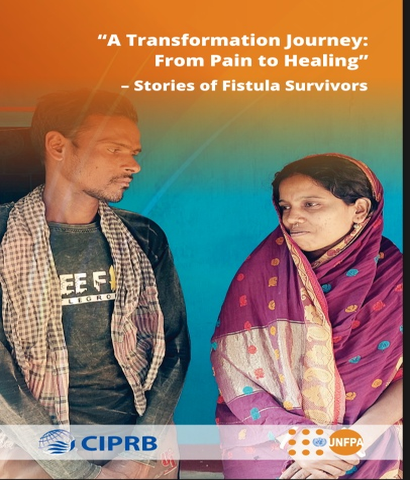
"I never thought I'd regain my life after losing my child and suffering from fistula."
At just 17, Sabitri endured a difficult labor, lost her first child, and developed obstetric fistula, leading to years of isolation and emotional distress...
"I never thought I'd regain my life after losing my child and suffering from fistula. But with community support, I found hope and a way to rebuild."[cite: 1]
Executive Summary: Sabitri’s journey reflects the harsh realities faced by many young women in rural Bangladesh. Overcoming severe medical trauma, social rejection, and financial instability, her story stands as a beacon of resilience and successful rehabilitation.
At just 17 years old, Sabitri Robidas from Shamsernagar Tea Garden in Moulvibazar married Tulsi Rabidas, carrying bright dreams of starting a warm, loving family[cite: 1]. However, her journey into motherhood was met with devastating medical complications.
After undergoing an extremely difficult and prolonged labor without timely professional care, Sabitri tragically lost her first newborn child[cite: 1]. Worse still, the obstructed labor resulted in obstetric fistula—a debilitating condition causing continuous, uncontrollable physical leakage, severe social stigma, and profound isolation[cite: 1].
For nearly a decade, Sabitri lived in the shadows. The physical pain was matched only by the psychological toll of exclusion from family gatherings and community life. Despite trying various local remedies, nothing alleviated her condition, and despair set deep into her daily existence[cite: 1].
Her family fell deep into debt as mounting medical expenses overlapped with her inability to work or contribute economically. Hope seemed entirely lost until a community health worker trained under specialized safe motherhood initiatives identified her symptoms and offered a pathway forward[cite: 1].
"After all the physical pain, social rejection, and profound loss, I never imagined I could smile again, let alone look people in the eyes with pride."
— Sabitri Robidas[cite: 1]
Referred promptly to a specialized treatment facility, Sabitri underwent successful corrective fistula surgery free of cost[cite: 1]. For the first time in years, her body healed completely, lifting the heavy cloud of physical discomfort and social shame[cite: 1].
Yet, returning home posed another hurdle: overcoming the financial debts accumulated during her prolonged illness. Recognizing this struggle, project coordinators stepped in to provide holistic rehabilitation support, granting her a sewing machine and basic micro-enterprise training[cite: 1].
Working diligently from her home, Sabitri turned her sewing skills into a steady source of income. Within months, she successfully cleared all household debts, regained her financial independence, and began supporting her family actively[cite: 1].
Today, Sabitri stands as an inspiring figure in her community—a testament to what comprehensive healthcare, compassion, and vocational empowerment can achieve[cite: 1].